Why buyers keep asking "how much for me?"
If the same buyers ask the same prices every week, the problem is not their memory. Here is what that question really tells a distributor in the Philippines.
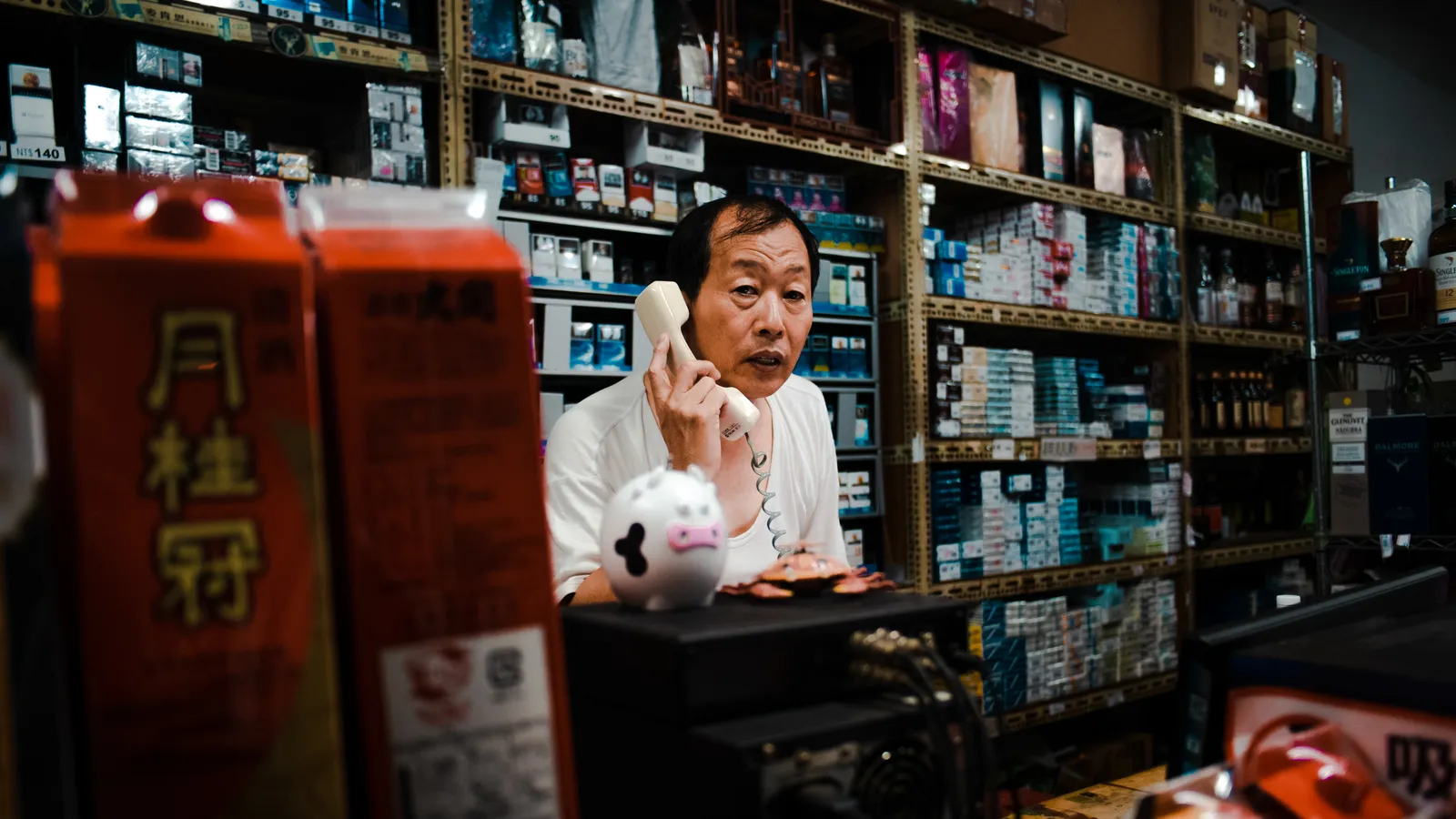
Every distributor in the Philippines knows the message. It arrives on a Sunday evening, or during lunch, or while you are parked somewhere waiting for the truck ban to lift.
Boss, magkano na ho yung cement ngayon?
You have answered it before. You will answer it again on Thursday. And the honest reason it keeps coming back is not that your buyer forgot.
The question is a symptom, not the problem
When a buyer asks what a price is, they are telling you one of three things.
They cannot look it up. The price exists, but it lives in your head, in a Viber thread from four months ago, or in a spreadsheet they have never seen. The only interface to your pricing is you.
They are not sure it still applies. They remember what they paid last time, but not whether that was a one-off, a promo, or the standing rate. Asking is cheaper than assuming and being wrong.
They are checking you are consistent. This one goes unsaid. A buyer who has been quoted two different numbers for the same item is now verifying every time, and will keep verifying for a long while.
The first two are logistics. The third is trust, and it costs much more to fix.
What it costs you
The obvious cost is the interruption. The real costs are quieter.
- Slower orders. An order that needs a price confirmed before it can be placed does not get placed at 10pm, which is exactly when a tindahan owner finally sits down with her list and works out what she can afford.
- Drift. Quote from memory often enough and the number moves. Not deliberately, just a peso here and there on a sako, and now two stores on the same route who should be on the same terms are not.
- You become the bottleneck. If nobody can quote a price without you, you cannot be unreachable. Not on a delivery run, not during fiesta week, not when the signal drops on the provincial leg.
- Negotiations reopen. Every time a price is quoted fresh rather than looked up, it is implicitly up for discussion again. A price on record is a decision. A price from memory is an opening offer.
Why "just send them the price list" does not fix it
The usual fix is to forward a spreadsheet into the group chat. It helps for about two weeks.
Then a price changes and half your buyers are holding the old file. Or a buyer opens it and sees the prices you give the supermarket. Or she cannot find her item among the 400 lines on a phone screen, so she messages you anyway, which is where you came in.
A file is a snapshot. What buyers need is the current answer, for them, available when they want it.
What actually stops the question
Three things, together.
- Every product has a price at all times. Nothing sits unpriced waiting for a decision, because an unpriced item is a phone call by definition.
- The price is specific to that buyer. The rate you agreed with that suki, not a general list they have to interpret.
- They can see it themselves, without asking. This is the part that ends the message, because they no longer need you awake to find out.
When all three are true, "how much for me?" stops being a question and becomes something the buyer looks at while building their order.
The bit that surprises people
Distributors often worry that showing buyers their prices invites haggling.
In practice the opposite happens. A number a buyer looked up herself reads as policy. A number you quote in a chat reads as an offer, and offers get countered. Putting the price on record, visible and consistent, ends more negotiations than it starts.
That is what a buyer portal does. Your catalogue, their prices, on their phone, whenever they want it. Book a demo and we will set it up on your own products so you can see how it reads from your buyer's side.
See it on your own catalogue
Bring your products and a price list in with a CSV, and take your first order in one place.