Cash, GCash, or terms: getting paid for wholesale orders
Cash on delivery, GCash, or 30-day terms: how buyers really pay for wholesale in the Philippines, and how to make your collection day a lot less awkward.
Taking the order is the easy part. Getting paid for it is where a wholesale business quietly succeeds or fails.
Most distributors know a buyer who orders reliably, sells through everything, and still takes six weeks to settle. They also know a sari-sari store that pays on the dot and orders half as much. The whole game is getting more of the first kind to behave like the second, without losing them.
How buyers pay for wholesale in the Philippines
Payment usually comes in one of three shapes, and most buyers use more than one.
Cash on delivery. The cleanest by far. The goods and the money change hands at the same time, so nothing is owed and nothing is chased. The downside is that your driver is now carrying a day's collection around a provincial route, and a buyer who is short that morning either takes less or sends you back with stock still on the van.
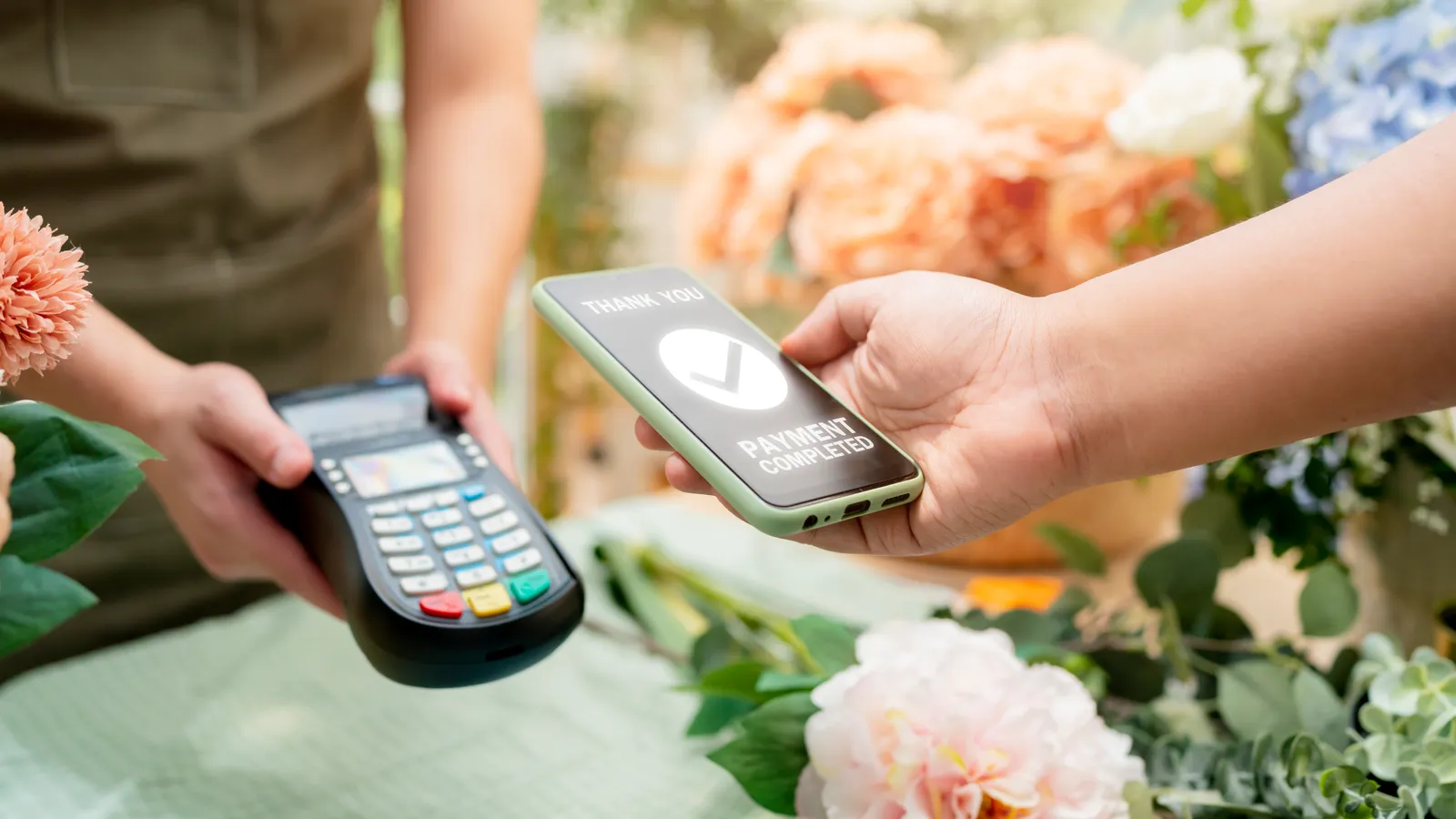
GCash, Maya, or bank transfer. Increasingly the default, and it solves the cash-in-the-truck problem. The catch is the "sent na po" that has not actually arrived. A screenshot is not a payment. Confirm it landed in your account before the stock comes off the truck, or you have quietly extended credit without deciding to.
Terms, or utang. The buyer takes the goods now and pays later, whether that is seven days, fifteen, thirty, or "pagbenta". Bigger buyers, a grocery or a hardware store, may hand you post-dated cheques instead, which is a promise with a date on it rather than money in the bank. This is where real distribution happens, and it is also where the money gets stuck. Terms are a tool, not a favour, and they work only when both sides know the rules.
Terms are a decision, not a habit
The trouble with terms is that they are rarely decided. They drift into place. A good buyer asks for a few more days once, you agree once, and now that is how it works forever, for that buyer and soon for the next one who hears about it. The drift is worst when everyone is stocking up at the same time, before Christmas or a town fiesta, which is exactly when your own cash is thinnest.
Decide it on purpose instead:
- Who gets terms at all. A brand-new buyer is not a candidate. Terms are something a buyer earns after a run of orders paid on delivery.
- How much. A credit limit, even a rough one, so a single buyer cannot walk off with a month of your puhunan. ₱20,000 for a new market stall and more for a long-standing suki is a perfectly good place to start.
- How long. Seven days means seven days, not "around a week or two".
- When you collect. A collection day that rides with the delivery run gets made. A collection that waits for someone to be free does not.
- What happens when it is late. Not a threat, just a known consequence. The next order is cash until the last one is settled. Applied evenly, to everyone, this is not personal and nobody argues with it.
The distributors who sleep well are not the ones who refuse terms. They are the ones whose terms are the same for everybody and written down where both sides can see them.
The real problem is the record, not the buyer
Here is the part worth being honest about. Most late payment is not a buyer refusing to pay. It is a buyer who genuinely does not remember what they owe, because neither of you has a clean record of it.
The order came in over three Viber messages at eleven at night. One item was out of stock, so the delivered amount was different from the order. There was a returned case nobody wrote down. By the time you ask for payment, you are reconstructing the number from memory and the buyer is reconstructing a different one. That conversation is where relationships get strained, and the stock was never the problem. The paperwork was.
When every order is on record, with what was actually delivered and at what price, collection stops being a negotiation. You are both looking at the same number. "Order 1043, delivered Tuesday, ₱4,820" is not an argument. It is a receipt.
Small and steady beats big and slow
One more thing distributors learn the hard way. Your best buyer is often not the one with the biggest single order. It is the canteen that takes ₱7,000 every week and pays every week. That buyer funds your business. The ₱80,000 monthly order that settles in sixty days ties up cash you could have turned over four times in the same stretch.
You cannot see that pattern from memory. You can see it from a clean order history, which is the same record that makes collection easy in the first place.
Where goodport helps
goodport does not touch your money. It is not a marketplace and it takes no cut. What it does is keep the record straight: every order the buyer placed, what was actually delivered, and the price they agreed, on both your screen and theirs.
That will not make a slow payer fast. It will remove the argument about how much is owed, which is where most of the friction lives, and it will show you which buyers are actually funding your business and which ones are quietly borrowing from it.
Want to see it on your own orders? Book a demo and bring a week of real ones. We will set it up together on the call.
See it on your own catalogue
Bring your products and a price list in with a CSV, and take your first order in one place.